When to Think About Synthetic Roof Covering Replacement After Repetitive Storm Damage
A roof covering can take one major storm and recover. It can even take a 2nd event, if the damage is isolated and the fixing is succeeded. The problem begins when the roof covering gets in a cycle of duplicated effect, patching, and restored direct exposure. At that point, the choice is no longer concerning taking care of one section. It comes to be a more comprehensive question of whether the roof still has the toughness, weather condition resistance, and service life to justify another repair.
That concern turns up commonly after seasons noted by hail, wind uplift, ice accumulation, and driven rainfall. In places where weather condition transforms rapidly and tornados come with hard, homeowners can discover themselves filing several insurance claims over a couple of years, replacing sections of tiles, chasing leakages around flashing information, and questioning whether they are spending excellent cash after negative. This is where artificial roofing systems begin to make useful sense, not as a deluxe upgrade for its very own benefit, however as a response to repeated failure patterns.
The right time to consider artificial roof covering substitute is normally not the very first time your roofing system is damaged. It is when the roof has stopped behaving like a resilient whole and began imitating a collection of vulnerable parts.
Repeated repair services are often extra costly than they look
Most property owners determine roof damages by the visible repair work expense. That is easy to understand, however it misses out on the larger cost. A storm-damaged roofing can produce costs that show up gradually, through indoor discoloration, insulation wetness, wood deck degeneration, mold threat in poorly ventilated spaces, and the interruption of emergency service calls. Also when insurance helps, deductibles accumulate, premiums can change with time, and there is constantly the soft expense of coping with unpredictability each time severe climate is in the forecast.
I have seen several roofs reach this phase without apparent catastrophic failure. From the ground, they still looked passable. Up close, the story was various. The shingle floor covering had become brittle, seal strips had actually shed integrity, ridge caps were compromised, and previous spot repair work had produced irregular wear patterns. Because scenario, one more spot may resolve the current opening, yet it rarely recovers the roofing system's original performance.
A synthetic roof substitute usually goes into the discussion when the home has already gone through two or 3 storm-related repair services in a fairly brief period. The exact timing relies on the age of the existing roof, the top quality of the original installment, and the seriousness of each storm, but the pattern issues. Repetition changes the economics.
What repeated storm damages actually does to a roofing system
Storm damages is not just about what you can see from the driveway. Hail storm can bruise, split, or dislodge roof covering product. Wind can damage the bond in between tiles and underlayment, particularly at sides, ridges, and valleys. Ice can exploit little weak points around penetrations. Hefty rainfall can get in where sealants have aged out or blinking was disrupted during a previous repair.
The reason duplicated damage issues a lot is cumulative stress and anxiety. Roof materials are designed to do as an incorporated system. Once a roofing has been opened, covered, resealed, and exposed once more, every treatment produces another shift point. Those transition points are where future failures frequently begin.
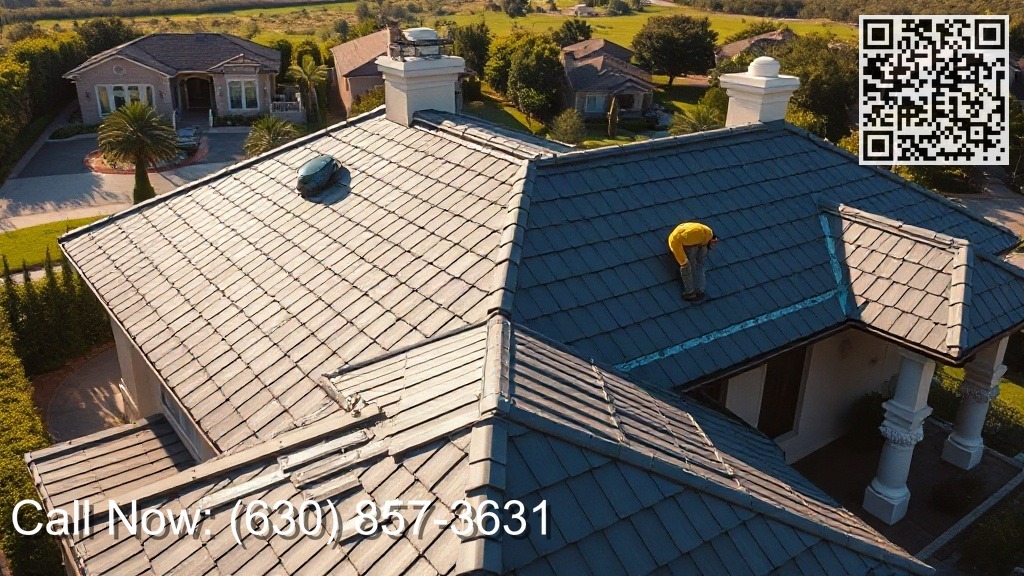
This is one factor homeowners start inquiring about synthetic roof after back-to-back tornado periods. Premium synthetic materials are crafted to resist influence, wetness absorption, and climate biking better than several typical choices. That does not make them unbreakable, and any kind of honest synthetic professional roofer should state so clearly. But it can decrease the frequency and seriousness of damages, which is frequently the objective after a discouraging run of repairs.
The warning signs that point towards substitute, not one more patch
A roofing system does not require to be breaking down to justify substitute. In method, the decision typically comes from a cluster of indicators as opposed to one dramatic event. If you are seeing numerous of these at once, it is time to seriously review synthetic roofing system replacement instead of licensing one more repair service:
- Storm repair work have been done more than when in the previous few years, particularly on various components of the roof.
- Matching the existing product has actually ended up being difficult, leaving patched areas with various efficiency or appearance.
- Leaks maintain returning around valleys, chimneys, skylights, or roofing system penetrations.
- The roofing has noticeable fracturing, granule loss, curling, loosened tabs, or effect marks throughout several slopes.
- Your service provider is fixing signs, however the underlying roof age and wear recommend the material is near the end of its dependable life.
That fifth factor is entitled to even more attention than it gets. If a roofing is already fifteen to twenty years into service, depending on product and exposure, storm damage can be the occasion that exposes just how little strength is left. A repair service could be technically feasible, but that is not the like being wise.
Why synthetic roof becomes part of the conversation
When property owners hear "synthetic," they in some cases assume it means plastic-looking, light-weight, or builder-grade. In the roof world, that is frequently the opposite of what is being discussed. Costs synthetic roof is usually chosen for its ability to duplicate premium natural products while boosting longevity and decreasing some of the weaknesses that include wood, slate, or lower-grade asphalt.
Architectural synthetic roof covering can mimic shake, slate, or developer accounts with a surprising degree of depth and detail. On the useful side, artificial roofing roof shingles are typically lighter than all-natural slate, less susceptible to splitting than timber, and typically more impact immune than numerous traditional roof covering products. Those high qualities issue after duplicated hailstorm and wind events.
For home owners taking into consideration synthetic roof for high-end homes, the appearance concern is typically just as vital as the performance question. They desire a roofing system that matches masonry, rock, stucco, or custom trim information without looking overly manufactured. The best items satisfy both goals. They stand up well under serious weather condition and still provide a polished architectural finish.
That equilibrium is why household synthetic roof has actually gotten grip in storm-prone markets. It is not only regarding making it through the next weather condition event. It has to do with changing a roof with something that much better fits the long-lasting problems it will really face.
Storm exposure transforms the substitute formula in places like Chicagoland
Not every area emphasizes roofing systems similarly. In and around Chicago, roofings can go from summertime hail to winter season freeze-thaw cycles in the very same year. Wind occasions, ice dams, temperature level swings, and moisture packing all collaborate. A roofing product that does effectively in a milder environment might age extremely differently here.
That is why conversations concerning artificial roofing Chicago or synthetic roof Naperville IL are frequently more technical than homeowners anticipate. The substitute decision is not practically shade and account. It has to do with ventilation method, underlayment option, attaching methods, blinking information, attic problems, and whether the item has a tried and tested document in this sort of climate.
A great artificial professional roofer Chicagoland house owners can trust will typically start with a system-level review. That means looking beyond the tiles themselves and examining the deck, consumption and exhaust air flow, insulation communication, flashing, valleys, ridges, and water drainage courses. Storm resistance is never ever just concerning the subjected surface area. It has to do with how the whole setting up is built.
When fixing still makes sense
Not every storm-damaged roofing need to be changed. In some cases the damage is isolated, the roofing system is fairly brand-new, matching materials are readily available, and the underlying system is still sound. In that instance, a targeted repair service is practical and cost-efficient.
This is particularly real when the roofing system has actually not had a background of persisting leaks or repeated insurance cases, and the tornado occasion clearly influenced one zone rather than the entire structure. A gauged service provider must be willing to state that a repair work suffices when the truths support it.
Still, there is a distinction between a repairable roof and a roofing that is simply patchable. A patchable roof covering can accept another solution. A repairable roof covering can be brought back to reliable solution without establishing the following failure. That distinction issues. Homeowners often do not hear it plainly enough.
What artificial materials supply after duplicated hailstorm and wind events
The appeal of artificial roofing systems becomes more clear when you contrast them to the powerlessness of storm-worn conventional roofings. Better artificial products are made to resist splitting, splitting, wetness absorption, and UV degradation over lengthy solution periods. Several are also crafted to preserve shape and appearance much more continually than natural products revealed to repeated freeze-thaw cycles.
That can be particularly beneficial on complicated roofing systems with dormers, hips, valleys, and ornamental shifts. Those information are attractive, yet they likewise produce a lot more edges, more cuts, and extra places where wind-driven water can test the installment. A well-designed synthetic roofing system installment can assist streamline upkeep while preserving the upscale look that complicated rooflines commonly demand.
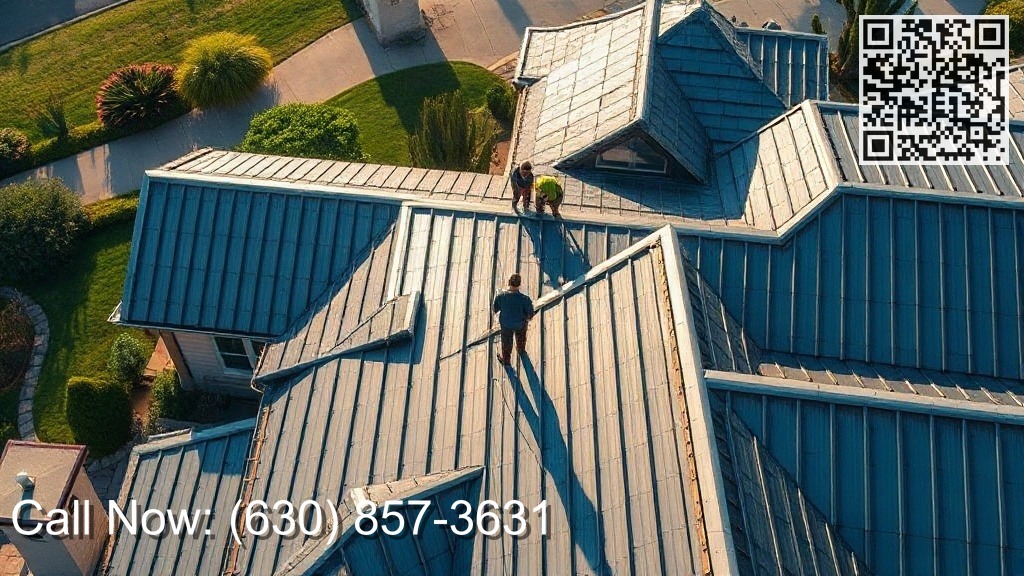
Another practical advantage is weight. House owners curious about a slate-style look may not have the architectural ability for natural slate without reinforcement. Building synthetic roof covering can provide a comparable visual effect without the exact same dead lots. That can open up style options that would certainly or else be cost-prohibitive.
The installment matters as long as the material
A solid product mounted badly is still a weak roofing. I have actually seen house owners spend for premium synthetic roofing and wind up dissatisfied since faster ways were tackled format, attachment, flashing assimilation, or air flow. They assumed they were purchasing tornado resistance, but what they really acquired was a premium-looking surface area laid over unresolved problems.
That is why choosing the best artificial roof company matters just as much as selecting the item. A competent synthetic roofing contractor must have the ability to describe not only why a specific product fits your home, but exactly how it will be installed thoroughly. Ask straight questions. Exactly how are valleys being managed? What underlayment is defined? How will ridge ventilation be balanced with soffit intake? Are flashings being changed or recycled? Will the old decking be examined and documented during tear-off?
The best synthetic roofing system installers are normally very comfortable with those inquiries. They have actually addressed them sometimes. They know that repeated tornado damage is commonly a sign of weaknesses that existed before the latest weather condition event. Their work is not to conceal those weak points under new material. It is to fix them.
A brief real-world pattern homeowners frequently recognize
A relatively typical circumstance looks like this. A residence has an aging asphalt roofing that has actually already gone through one hail case. A couple of years later on, one more storm damages a various incline. A repair is made, yet the products no more match perfectly, and the older tiles nearby are weak. The following winter season, a leak appears near a valley where old and brand-new areas meet. By spring, the home owner has paid one deductible, one out-of-pocket repair service, and one indoor drywall bill.
At that point, the disappointment is no more concerning one leak. It has to do with self-confidence. The home owner does not trust the roof anymore.
That https://johnathanzwgi334.quillnesty.com/posts/just-how-synthetic-roofing-systems-improve-protection-against-midwest-storms is often the minute when artificial roof covering substitute ends up being the a lot more rational course. Not because the old roof failed simultaneously, however because it fell short in such a way that created uncertainty every season. A substitute can reset the system, fix surprise weaknesses, and decrease the chances of repeating the very same pattern.
How to evaluate whether the timing is right
There is no universal year or tornado matter that determines replacement. The choice should rest on problem, repair work history, and future direct exposure. If you are attempting to evaluate the timing, focus on a few sensible questions.
Ask whether the roofing can still be brought back as a unified system, not just covered visually. Ask whether future matching repair work are likely to be readily available. Ask whether the underlying deck and flashing details stay reliable. Ask whether the roofing's age makes each new tornado disproportionately pricey. Most notably, ask whether another repair service would truly boost reliability or just delay a substitute that is already becoming inevitable.
Sometimes house owners are reluctant since a full replacement seems like a huge leap. That is understandable. But doubt can come to be expensive if the roofing is currently in decrease. Frequent moisture intrusion rarely obtains cheaper with time.
Insurance, aesthetics, and resale all play a role
Repeated tornado damages commonly brings insurance right into the discussion, yet insurance ought to not be the single vehicle driver of the choice. Coverage differs, and case end results depend upon the cause, level, age, and plan terms. What issues from a property owner's point of view is whether the roofing you select next off will certainly leave you in a better position than the one you are replacing.
For some families, that suggests picking synthetic roof shingles with a profile close to the initial roof to keep community uniformity. For others, especially proprietors of custom-made homes, artificial roofing for high-end homes might use a chance to enhance both suppress charm and durability at the exact same time. A well-chosen roofing system can develop the architecture of a home, not simply protect it.
Resale value goes into the discussion also, though it needs to be watched genuinely. A brand-new roof covering rarely returns dollar-for-dollar value on its own. What it does do is eliminate a major argument. Buyers see covered, inconsistent, storm-worn roofings. They likewise observe high-quality artificial roofing systems that look significant and recent. In competitive markets, that difference can influence exactly how swiftly a home moves and how much negotiating pressure the seller faces.
Questions worth asking prior to you commit
If you are reviewing a substitute after duplicated tornados, the top quality of the conversation you have with the contractor will tell you a great deal. Strong contractors have a tendency to invite comprehensive inquiries because they recognize the choice is significant. At a minimum, you ought to come away with clear answers on these factors:
- Why is replacement recommended currently rather than an additional repair?
- Which synthetic roof fit this house and environment, and why?
- What hidden issues might be discovered throughout tear-off, and just how are they handled?
- Who will certainly execute the artificial roof covering installation, business crews or subcontractors?
- What craftsmanship protections and supplier demands put on this project?
Those solutions should be specific to your roof, not common sales language. If a specialist jumps directly to product sales brochures without thoroughly examining the roof covering, attic room, drain, and flashing problems, that is a warning sign. Storm durability is constructed through details.
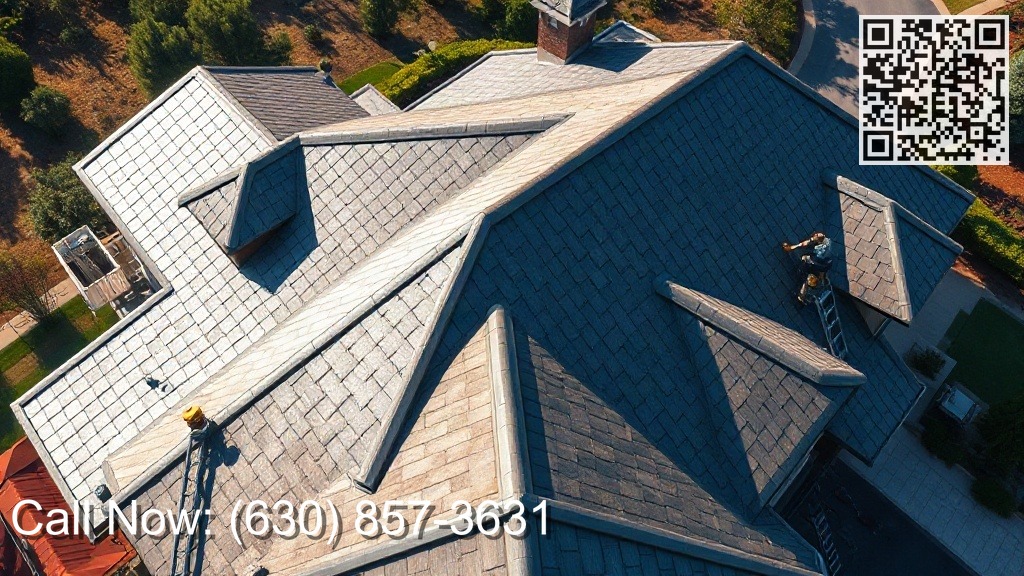
The best factor to replace is not be afraid, it is predictability
Homeowners sometimes believe roof covering substitute choices are driven by fear of the next storm. In my experience, the far better reason is predictability. As soon as a roofing system has endured repeated damages, and as soon as fixings quit bring back self-confidence, the objective changes. You want a roofing system that performs much more dependably, needs less responsive decisions, and fits the conditions your home in fact deals with year after year.
That is where costs synthetic roofing often proves its value. It can use the architectural personality numerous home owners desire, with stronger resistance to the type of influence, moisture, and climate cycling that put on down much more vulnerable products. In markets with rough seasonal changes, especially where property owners are proactively seeking synthetic roofing Chicago solutions or a relied on synthetic professional roofer in the surrounding suburbs, that worth ends up being more concrete with every tornado season.
If your roof has actually gone into the cycle of repeating damages, persisting fixings, and repeating uncertainty, it might be time to quit treating the symptoms. A carefully intended synthetic roofing substitute can transform an uncertain responsibility back right into a sturdy, cohesive part of the home. That is normally the factor when substitute quits sensation like an upgrade and begins sensation like the practical next step.
When Quality Matters
Salvo Architectural Roofing Contractors
566 West 5th Ave Naperville, IL 60563
(630) 857-3631
 Ask ChatGPT
 Ask Grok
 Ask Perplexity
 Ask Claude
 Ask Google AI
 Ask You